
The Caring Campaign
|
The Caring Campaign |
 |
|
|
In this page we aim to explore all aspects of caring for the Elderly of our U3A Communities and other groups in other countries. It will generally take the form of videos which can be seen on laptop, ipad or smart phone. We welcome suggestions and feedback from any and all members of the University of the Third Age; simply email caring@u3acommunities.org and it will reach the current Chair and your webwallah Tom Holloway. Please check back regularly for more information. |
|
|
|
|
Parenting
no longer starts and stops with our children. Nor is it confined to those
who have children.
|
|
 |
In a time of unrelenting
change and ever-extending life, most of us will – at some stage –
find ourselves “parenting” our own parents.
Indeed, many of us – particularly those who had families later – will find ourselves simultaneously parenting our kids and our parents. In one breath we’ll be begging our children to swap French fries for vegetables, and in the next breath we’ll be urging our parents to exchange cake for sardines.. Frankly, technology is often baffling to me, too. Luckily I have kids who delight in parenting me – advising, explaining and guiding me on all things digital. But studies suggest that this helpfulness might not be as beneficial as we think. Grappling with new and baffling things forces the ageing brain to work in novel ways. A recent study from the University of Texas involving more than 200 elderly adults found that those who engaged with technology had better cognition and memory than their non-engaging peers. |
|
|
|
This year Dementia Action Week is Alzheimer's Society's biggest and longest ever running awareness campaign. Each year, we work with individuals and organisations across the UK to encourage people to ‘act on dementia’. Dementia Action Week 2023 will run from 15-21 May | 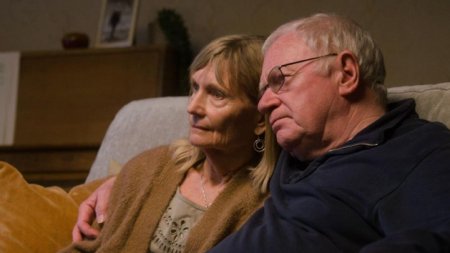 |
|
| |
|
Dementia is a progressive illness that, over time, will affect a person's ability to remember and understand basic everyday facts, such as names, dates and places. Dementia will gradually affect the way a person communicates. Their ability to present rational ideas and to reason clearly will change. If you are looking after a person with dementia, you may find that as the illness progresses you'll have to start discussions to get the person to make conversation. This is common. Their ability to process information gets progressively weaker and their responses can become delayed. The video on the left contains very practical tips and techniques that you will find useful. |
|
|
|
|
The first drug to slow the destruction of the brain in Alzheimer's has been heralded as momentous. The research breakthrough ends decades of failure and shows a new era of drugs to treat Alzheimer's - the most common form of dementia - is possible. Yet the medicine, lecanemab, has only a small effect and its impact on people's daily lives is debated. For a medical field littered with duds, despair and disappointment, some see these trial results as a triumphant turning point. Alzheimer's Research UK said the findings were "momentous". Prof John Hardy, said it was "historic" -- "we're seeing the beginning of Alzheimer's therapies". Prof Tara Spires-Jones, from the University of Edinburgh, said the results were "a big deal because we've had a 100% failure rate for a long time". |

|
|
|
 |
Click on the left for this course. It seeks to improve the well-being and experience of people with dementia. It should improve your confidence in managing situations you find challenging. Learning outcomes |
|
|
 About
Dementia Friends About
Dementia Friends
Alzheimer’s Society’s Dementia Friends programme is the biggest ever initiative to change people’s perceptions of dementia. Dementia Friends is about learning more about dementia and the small ways you can help. From telling friends about the Dementia Friends programme to visiting someone you know living with dementia, every action counts. |
|
|
|
 |
International Contacts for Alzheimers
|
|
|
|
What are the 5 most common chronic diseases in older adults?
|
|
|
|
 |
|
 Discuss
the signs and symptoms of dementia
Discuss
the signs and symptoms of dementia Alzheimers Disease International maintain list of contact details for
126 support organisations worldwide - from Albania to Zimbabwe. To reach
it simply click on the following:-
Alzheimers Disease International maintain list of contact details for
126 support organisations worldwide - from Albania to Zimbabwe. To reach
it simply click on the following:-